
Understanding the Factors Influencing Mobile App Development Costs
The cost of mobile app development in 2026 is influenced by a variety of factors that developers and stakeholders must carefully consider. These factors range from the complexity of the app to the geographical location of the development team, each playing a pivotal role in shaping the overall budget.
Firstly, the complexity of the app significantly impacts the cost. Simple applications with basic functionalities can often be developed at a lower cost, whereas more complex apps, which may include features such as real-time data synchronization, third-party integrations, or intricate user interfaces, require more time and expertise, thereby increasing the overall expenditure. For example, an app that involves heavy animations or advanced features like augmented reality will necessitate a higher investment in skilled developers.
Secondly, the choice of platform greatly affects development costs. Typically, building for iOS tends to be more expensive than Android due to the need for specific design guidelines and technical know-how. Furthermore, if a business decides to develop for both platforms, the cost doubles, requiring meticulous planning and additional resources. Choosing between a native or hybrid app approach also contributes to the budget, as hybrid apps may have lower initial costs but could result in increased long-term maintenance fees.
UI/UX design is another crucial factor influencing mobile app development costs. A well-designed user interface can significantly enhance user experience, leading to greater engagement and retention. Comprehensive UI/UX design often requires input from professional designers who may charge premium rates. Thus, investing in high-quality design is vital, albeit at an additional cost.
Backend development is also a critical component of the budgetary considerations. The complexity of server-side functions, API integration, and database management necessitates skilled backend developers. The more robust the backend infrastructure needed, the higher the costs. Lastly, the geographical location of the development team can create stark contrasts in pricing. Teams in regions with higher living costs generally charge more than those in lower-cost areas, making geographic location a strategic consideration for cost-effective mobile app development.
Estimating Development Costs: A Breakdown by App Category
Understanding the costs associated with developing a mobile application in 2026 requires a detailed examination of various app categories. According to industry experts, the development costs can vary significantly based on the complexity and functionality required of the application. Simple apps, such as basic utility or informational apps, typically range from $30,000 to $50,000. These applications are generally straightforward, requiring minimal features and a basic user interface.
On the other end of the spectrum, complex apps that integrate advanced features like real-time data processing or enhanced user interactivity can expect development costs to escalate to between $100,000 and $250,000. An illustrative example is a fitness tracking app that incorporates GPS tracking, social sharing features, and personalized coaching. Such apps demand extensive backend support and sophisticated interfaces, contributing to their higher costs.
E-commerce applications also follow a distinct pricing structure. With features such as secure payment gateways, product catalogs, and user accounts, the costs for a typical e-commerce app are forecasted to range from $60,000 to $150,000. Real-life examples, like a popular online retail platform, demonstrate how integrating features such as personalized recommendations can influence overall development costs significantly.
Finally, enterprise apps designed for internal company use often range between $100,000 and $500,000. These applications require rigorous security measures, scalability, and integration with existing systems, factors that contribute to their elevated price tags. Case studies highlight how customized solutions tailored to corporate needs can streamline operations, further justifying their investment.
Additional Costs to Consider Beyond Development
When developing a mobile application, it is crucial to recognize that the expenses associated with the project do not end once the app is launched. Various additional costs need to be factored into the overall budget to ensure a successful long-term operation of the app. This includes ongoing maintenance, app updates, marketing initiatives, and server costs, all of which can significantly impact a business’s financial commitment.
Firstly, ongoing maintenance is an essential aspect that should not be overlooked. Mobile applications require regular updates to remain compatible with the latest operating systems and devices. These updates often involve bug fixes, performance enhancements, and new features. The cost of these updates can vary depending on the complexity of the app and can add a substantial amount to the yearly budget.
Moreover, marketing the app is vital to its success. The initial development may attract users, but ongoing marketing efforts are necessary to maintain user engagement and acquisition. This includes costs associated with advertising, promotional campaigns, and partnerships. Businesses must allocate resources to ensure continual visibility and user interest in their mobile application.
Server costs also contribute to the overall expenses of maintaining a mobile app. Depending on the app’s architecture and user base, businesses may incur significant costs for cloud hosting, data storage, and bandwidth. A robust server infrastructure is vital for ensuring the app’s performance and reliability, especially as the user base grows.
Additionally, app store fees are another expense that can influence the budget. Both the Apple App Store and Google Play Store require developers to pay fees for app submissions and yearly developer accounts. Understanding these fees and planning for them in advance is essential to avoid any unexpected financial burdens.
Future Trends in Mobile App Development Costs
The landscape of mobile app development is perpetually evolving, and the costs associated with building mobile applications are expected to experience significant shifts in the near future. With advances in technology, particularly in artificial intelligence (AI) and machine learning, developers are likely to see a transformation in how applications are conceived, designed, and implemented. These technologies enable automation and streamline various development processes, which can lead to reduced overall costs. For instance, predictive analytics powered by AI can assist in identifying user preferences, thus minimizing the time spent on user research and testing.
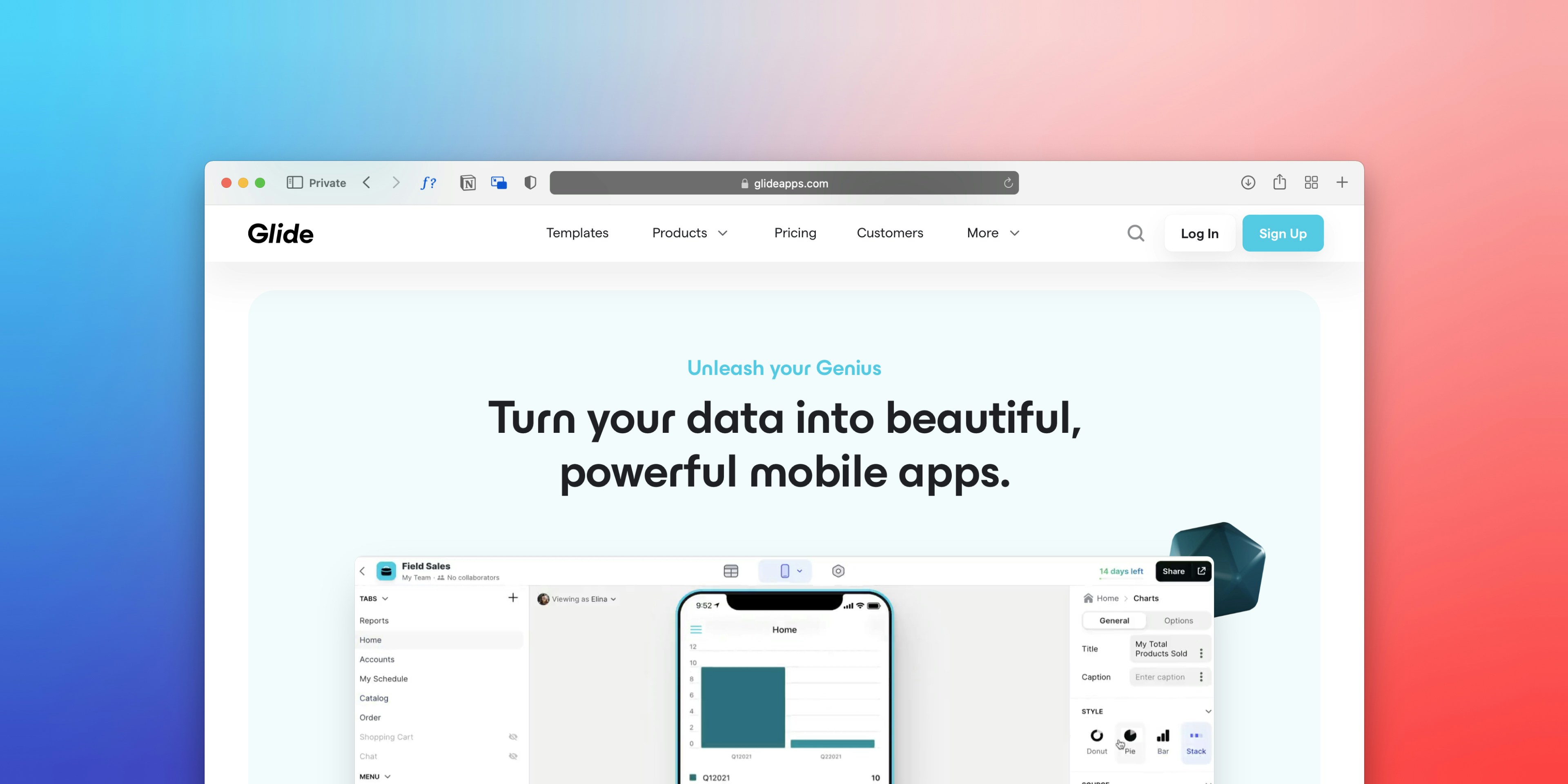
Additionally, the emergence and growth of low-code and no-code platforms will further democratize mobile app development. These platforms empower users with minimal technical skills to create applications, thereby reducing the dependency on specialized development teams. Consequently, this trend could lead to a decline in traditional development costs, as businesses may opt for in-house development rather than outsourcing. It is important to note, however, that while the initial investment may decrease, organizations may require ongoing support to manage and scale these platforms effectively.
On the flip side, certain challenges may arise as the market saturates with new applications following the accessibility of development tools. Increased competition could lead to higher marketing and user acquisition costs as businesses strive to stand out in a crowded marketplace. As the costs of attracting users may rise, the pricing structures for app development could also adapt, reflecting these shifts in user behavior and market dynamics. Companies will need to be strategic in their development expenditures and marketing approaches to navigate this evolving landscape effectively.
